
公众号历史原文 ·
美国心脏协会AHA 发布新闻:心脏病患者需要了解冠状病毒的哪些?
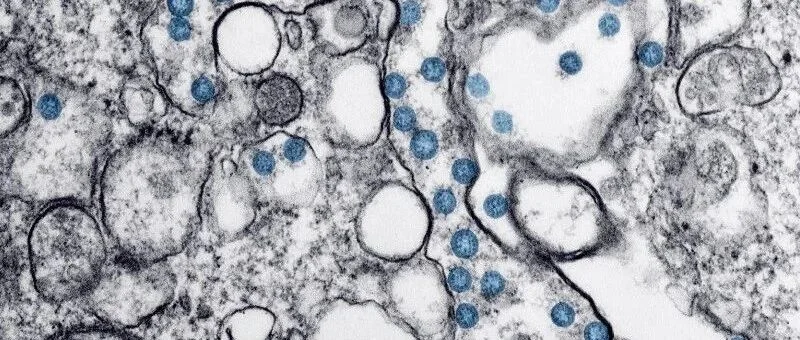
美国心脏协会(American Heart Association)于2020年2月27日通过新闻的形式发布了 “What heart patinetns should know about coronavirus” 即:心脏病患者需要了解冠状病毒的哪些的文章,具体给出了新冠病毒可能会给心脏病患者带来各种身体机能负担的结论以及常规卫生建议。我们第一时间帮大家翻译了这篇文章,欢迎大家对照原文参考学习。
译文:Ge.Frank 译文内容如下:
心脏病患者需要了解冠状病毒的哪些
由美国心脏协会新闻发表于2020年2月27日
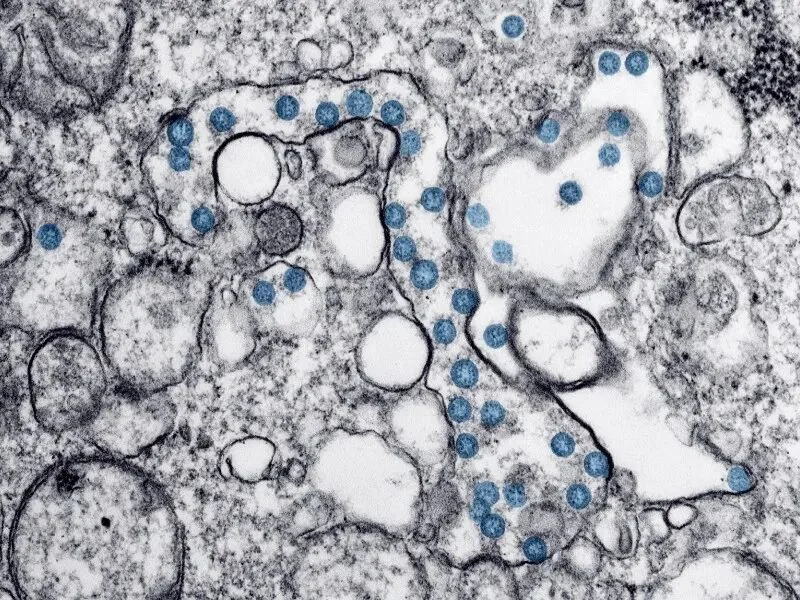
COVID-19显微图像。(Hannah A. Bullock, Azaibi Tamin/CDC)
健康专家说,现在每个人都应该注意到冠状病毒。心脏病患者有额外的理由保持警惕。
COVID-19于去年12月在中国武汉首次被报道,已经导致全球数万人患病,数百人死亡。周二,美国疾病控制与预防中心(Centers for Disease Control and Prevention)国家免疫和呼吸系统疾病中心(National Center for immune and Respiratory Diseases)主任南希•梅索尼埃(Nancy Messonnier)博士表示,COVID-19病毒在美国的传播似乎是必然的。
她在一次新闻发布会上对记者说:“问题不在于这种情况是否还会发生,而在于这种情况何时会发生,以及这个国家有多少人会患上严重的疾病。”
对于那些有潜在患有心脏问题的人来说,这种担忧已经足够严重了,以至于美国心脏病学会(American College of Cardiology)本月发布了一份公告,警告患者注意潜在的风险增加,并鼓励他们采取“额外的、合理的预防措施”。
公告称,根据早期报告,住院的COVID-19患者中有40%患有心血管疾病或脑血管疾病(脑出血,如中风)。
“这一统计数据并不意味着心脏病患者更容易感染冠状病毒,”明尼阿波里斯州卫生保健系统和明尼苏达大学的医学副教授Orly Vardeny说。“这只是意味着,这些人一旦患上并发症的可能性更大。”
瓦尔德尼是ACC公报的顾问,他说这种病毒可能在几个方面影响心脏病患者。
这种病毒的主要目标是肺部。但这可能会影响心脏,尤其是患病的心脏,因为心脏需要更努力地工作,才能让含氧血液进入全身,她说。“总的来说,你可以把它看作是对整个体系造成负担的事情。”
这可能会加剧心力衰竭患者的问题,因为他们的心脏已经存在(是否可以)有效泵血的问题。
患有潜在心脏疾病的人,其免疫系统也可能较弱。瓦尔德尼说,人们的免疫系统会随着年龄的增长而减弱。“对于那些患有慢性疾病的人来说,当他们接触病毒时,身体的免疫反应就没有那么强烈了。”
她说,如果这样的人感染了一种病毒,它很可能会留下来并引起并发症。
瓦尔德尼说,一种病毒还可能对动脉中有脂肪堆积斑块的人构成特殊的风险。有证据表明,类似的病毒性疾病会破坏这些斑块的稳定性,可能导致输送血液到心脏的动脉堵塞,使患者面临心脏病发作的风险。
瓦尔德尼特强调,关于COVID-19的信息几乎每小时都在变化。但是以前的冠状病毒,如非典和中东呼吸综合征,提供了一些见解。ACC公报称,它们与心肌炎症、心脏病发作和快速发作性心力衰竭等问题有关。
同样是美国心脏协会志愿者的Vardeny说,COVID-19也与流感有相似之处。目前,她说,“我们认为实际风险本身不会更高。只是传播速度更快了。”不像流感,没有疫苗。
COVID-19的数字变化很快。世界卫生组织(World Health Organization)报告说,武汉的病死率在2%至4%之间,武汉以外地区为0.7%。
相比之下,美国疾病控制与预防中心(CDC)估计,截至2月中旬,本季度美国至少有2900万人患流感,28万人住院,1.6万人死于流感。
Vardeny说,许多预防流感的措施对预防covid19应该是有帮助的,因为它似乎以同样的方式传播——当有人咳嗽或打喷嚏时,通过空气中的飞沫传播。
目前,她建议人们通过洗手来保护自己,保持表面清洁,避免前往疫情爆发地区。
ACC公报建议心血管疾病患者及时接种疫苗,包括肺炎疫苗。ACC还支持接种流感疫苗以预防另一种发热源,这种发热可能与冠状病毒感染混淆。
在新闻发布会上,梅索尼埃将她的建议总结为:“如果你生病了,就呆在家里,咳嗽前捂住嘴并勤洗手。”
她还警告说,人们需要为可能关闭的工作、学校等做好准备。
她说:“我知道整个情况可能会让人不知所措,对日常生活的干扰可能会很严重。”“但这些都是人们现在需要开始思考的事情。”
如果你对这个故事有任何问题或意见,
———————— 原文如下 ————————
Published: February 27, 2020
What heart patients should know about coronavirus
By American Heart Association News
The coronavirus should have everyone's attention by now, health experts say. And people with heart disease have extra reasons to be alert.
COVID-19, which was first reported in the Chinese city of Wuhan in December, has sickened tens of thousands of people and killed hundreds around the globe. On Tuesday, Dr. Nancy Messonnier, director of the National Center for Immunization and Respiratory Diseases at the Centers for Disease Control and Prevention, said its spread in the United States seemed certain.
"It's not so much a question of if this will happen anymore, but rather more a question of exactly when this will happen and how many people in this country will have severe illness," she told reporters during a news conference.
For people with underlying heart issues, the concerns are serious enough that the American College of Cardiology issued a bulletin this month to warn patients about the potential increased risk and to encourage "additional, reasonable precautions."
Based on early reports, 40% of hospitalized COVID-19 patients had cardiovascular disease or cerebrovascular disease (which refers to blood flow in the brain, such as stroke), according to the bulletin.
"That statistic doesn't mean people with heart disease are more likely to contract the coronavirus," said Orly Vardeny, associate professor of medicine at the Minneapolis VA Health Care System and University of Minnesota. "It just means that those folks are more likely to have complications once they do get it."
Vardeny, an adviser on the ACC bulletin, said the virus could affect heart disease patients in several ways.
The virus's main target is the lungs. But that could affect the heart, especially a diseased heart, which has to work harder to get oxygenated blood throughout the body, she said. "In general, you can think of it as something that is taxing the system as a whole."
That could exacerbate problems for someone with heart failure, where the heart is already having problems pumping efficiently.
Someone with an underlying heart issue also might have a less robust immune system. People's immune systems weaken as they age, Vardeny said. And "in those with chronic medical conditions, the body's immune response is not as strong a response when exposed to viruses."
If such a person catches a virus, she said it's likely to stick around and cause complications.
A virus also may pose a special risk for people who have the fatty buildup known as plaque in their arteries, Vardeny said. Evidence indicates similar viral illnesses can destabilize these plaques, potentially resulting in the blockage of an artery feeding blood to the heart, putting patients at risk of heart attack.
Vardeny emphasized that information about COVID-19 is changing almost hourly. But previous coronaviruses, such as SARS and MERS, offer insight. They were linked to problems such as inflammation of the heart muscle, heart attack and rapid-onset heart failure, the ACC bulletin said.
COVID-19 also has similarities to influenza, said Vardeny, who is also a volunteer for the American Heart Association. At the moment, she said, "We don't think the actual risk is any higher per se. It's just that the spread is quicker." And unlike the flu, there's no vaccine.
COVID-19 numbers change rapidly. The World Health Organization reported the fatality rate from the illness was between 2% and 4% in Wuhan, and 0.7% outside Wuhan.
By comparison, as of mid-February, the CDC estimated there had been at least 29 million flu illnesses, 280,000 hospitalizations and 16,000 deaths from it in the United States this season.
Many of the same precautions that work against the flu should be helpful against COVID-19, Vardeny said, because it appears to spread the same way – through droplets in the air when someone coughs or sneezes.
For now, she suggests people defend themselves by hand-washing, keeping surfaces clean and avoiding travel to areas with outbreaks.
The ACC bulletin recommends people with cardiovascular disease stay up to date with vaccinations, including for pneumonia. The ACC also supports getting a flu shot to prevent another source of fever, which could potentially be confused with the coronavirus infection.
In the news conference, Messonnier summed up her advice as, "Stay home if you're sick; cover your cough; wash your hands."
She also warned that people need to prepare for the possibility of closures of work, school and more.
"I understand this whole situation may seem overwhelming and that disruption to everyday life may be severe," she said. "But these are things that people need to start thinking about now."
If you have questions or comments about this story, please email