公众号历史原文 ·
如何洗手及其背后的循证逻辑
Handwashing - Clean Hands Save Lives, photo by: Ge.Frank
为了避免生病和传播细菌给他人,保持双手清洁是我们可以采取的最重要的步骤之一。许多疾病的传播是由于没有用肥皂和干净的自来水洗手所导致的。虽然洗手听起来不是那么复杂,但我们任然会在洗手这件事情上有所误解。比如洗手的时候温水比冷水要好?又比如对于普通人含抗菌成分的肥皂优于普通肥皂吗?这次让我们用研究数据告诉你答案。
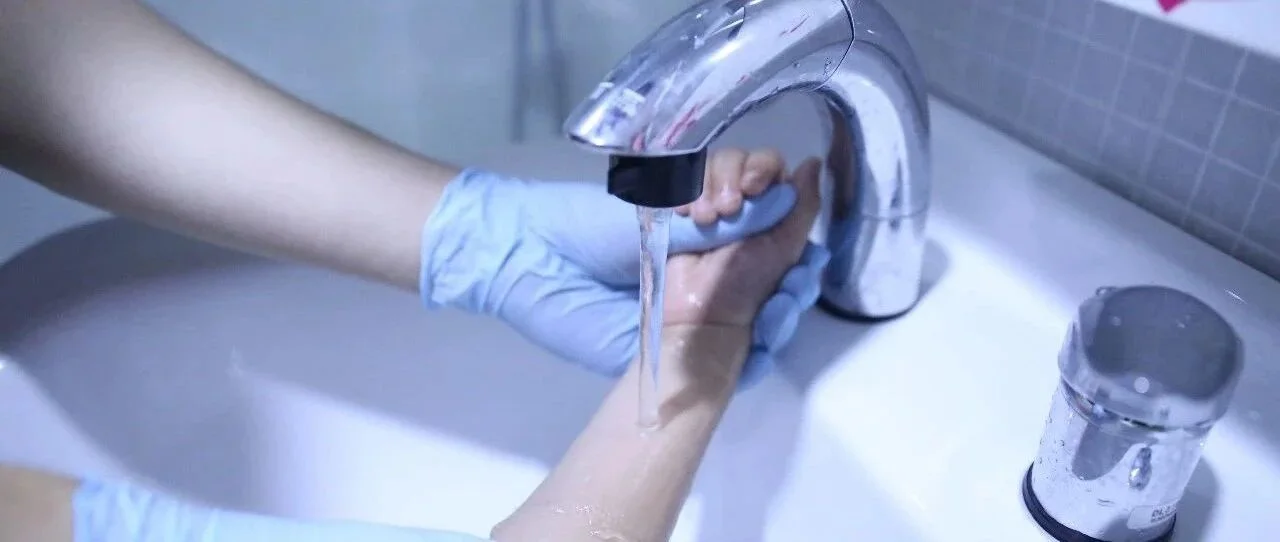
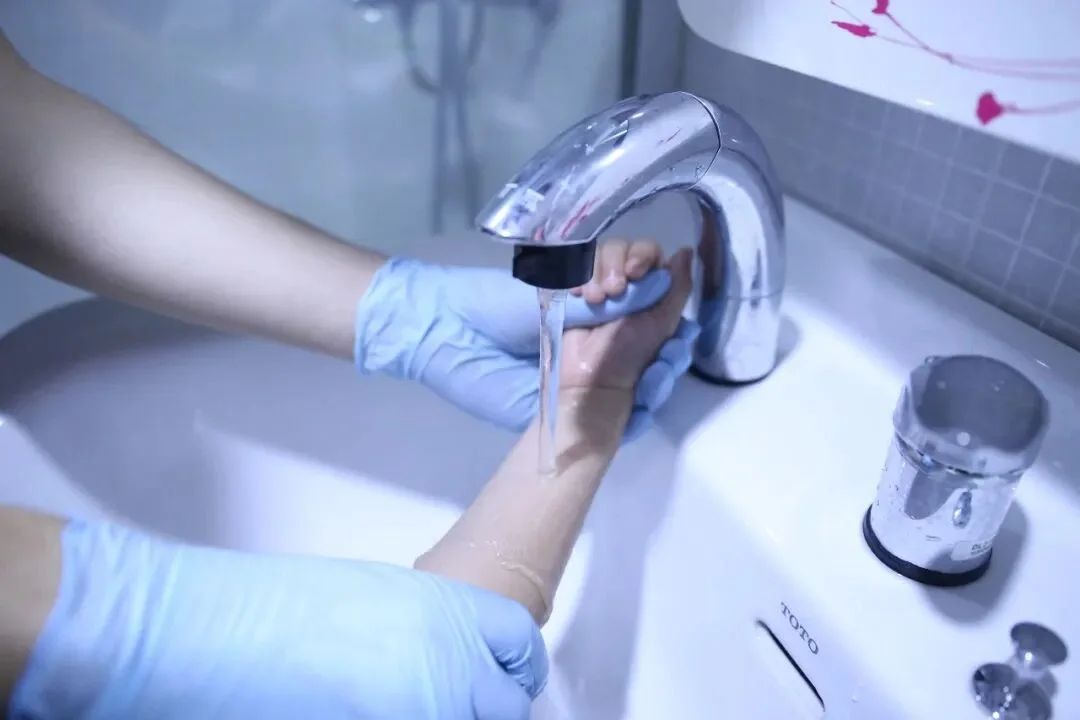
用干净的自来水(温水或冷水)打湿你的手,关掉水龙头,涂上肥皂
Handwashing - Clean Hands Save Lives, photo by: Ge.Frank
为什么? 因为手如果放在一盆之前用过的水里可能会再次被污染,所以应该使用干净的流动水源。[1] 然而,在必要时用非饮用水清洗仍然可以改善健康。水的温度似乎不影响微生物的去除,然而,温水可能会引起更多的皮肤刺激,而且对环境的影响更大。湿手后关闭水龙头可以节约用水,而且几乎没有数据可以证明大量的细菌在双手和水龙头之间传播。
用肥皂洗手比只用水洗手更有效,因为肥皂中的表面活性剂能清除皮肤上的泥土和微生物,而且人们在使用肥皂时洗手更彻底,从而进一步清除细菌。[2] [3] [7] [8]
到目前为止,研究表明,与普通肥皂相比,使用含有抗菌成分的肥皂对消费者没有额外的健康益处(这还不包括医疗保健领域的专业人士)。因此,美国食品和药物管理局FDA在2016年9月发布了一项最终规定,包括三氯生在内的19种常见“抗菌”香皂的成分并不比非抗菌香皂和水更有效,因此这些产品不再能够向公众销售。本规则不影响卫生保健场所使用的洗手液、湿巾或抗菌产品。
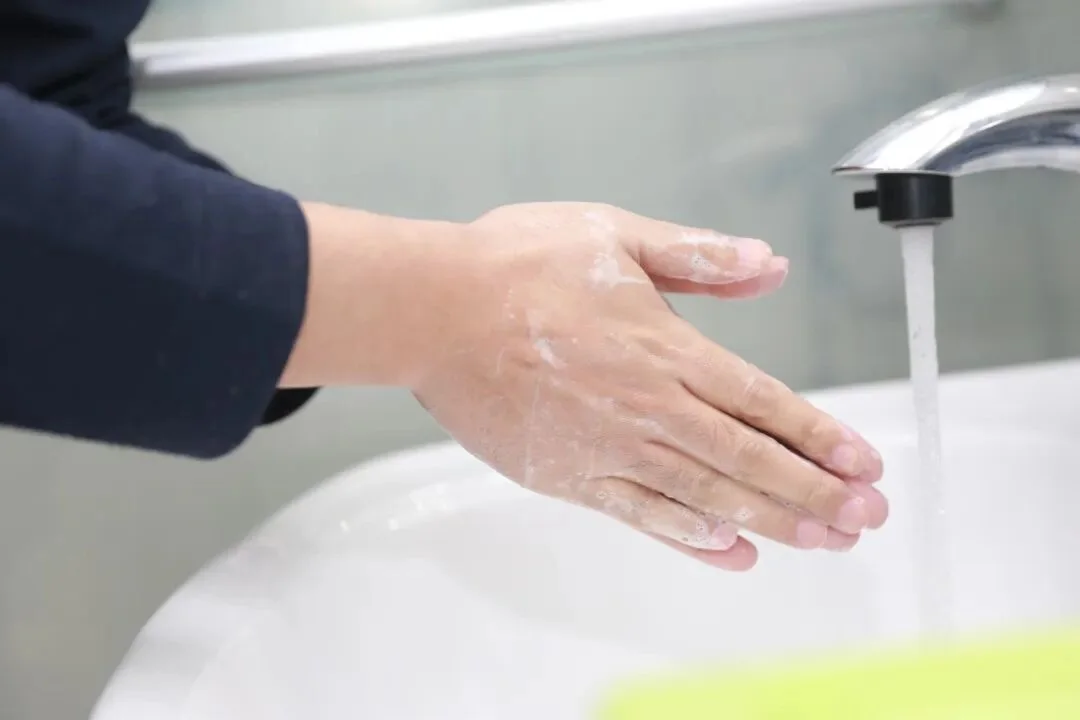
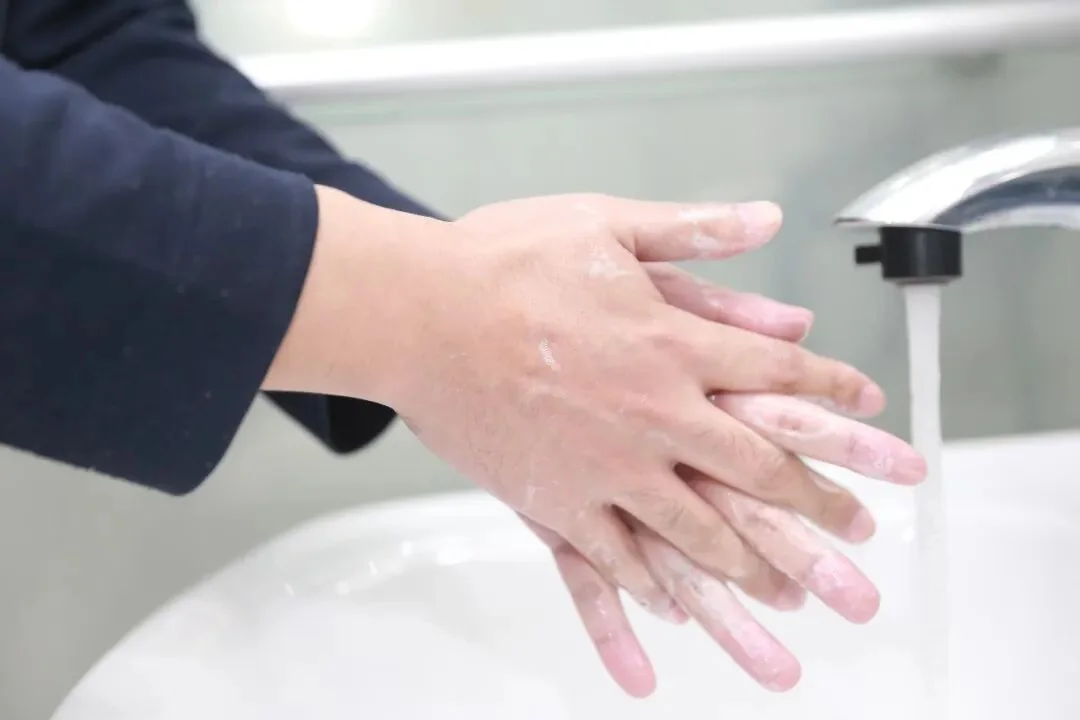
用肥皂搓手,使手起泡。一定要在手背、手指间和指甲下涂抹肥皂泡沫
Handwashing - Clean Hands Save Lives, photo by: Ge.Frank
为什么? 因为手的搓洗会产生摩擦,帮助清除皮肤上的污垢、油脂和微生物。手的所有表面都有微生物,通常在指甲下的浓度特别高,所以应该清洗整只手。[11-15]
洗手至少20秒。需要一个计时器吗? 把“生日快乐”这首歌从头到尾哼两遍
NHS:How to wash your hands
为什么? 确定最佳的洗手时间是困难的,因为很少有关于改变洗手时间对健康影响的研究。在现存的研究中,几乎所有的研究都检测到了微生物总数的减少,其中只有一小部分会导致疾病,而且没有检测到对健康的影响。单单减少手上的微生物数量并不一定就能改善健康状况。
洗手的最佳时间长短也可能取决于许多因素,包括手上的泥土类型和数量以及洗手者所处的环境。例如,外科医生很可能接触到致病细菌,并有可能将严重的感染传播给易受感染的病人,因此他们可能需要比家庭主妇在准备午餐之前洗手的时间更长。
尽管如此,有证据表明,洗手15-30秒比短时间洗手更能去除手上的细菌。因此,许多国家和全球组织都采纳了洗手20秒左右的建议
在干净的自来水下冲洗双手
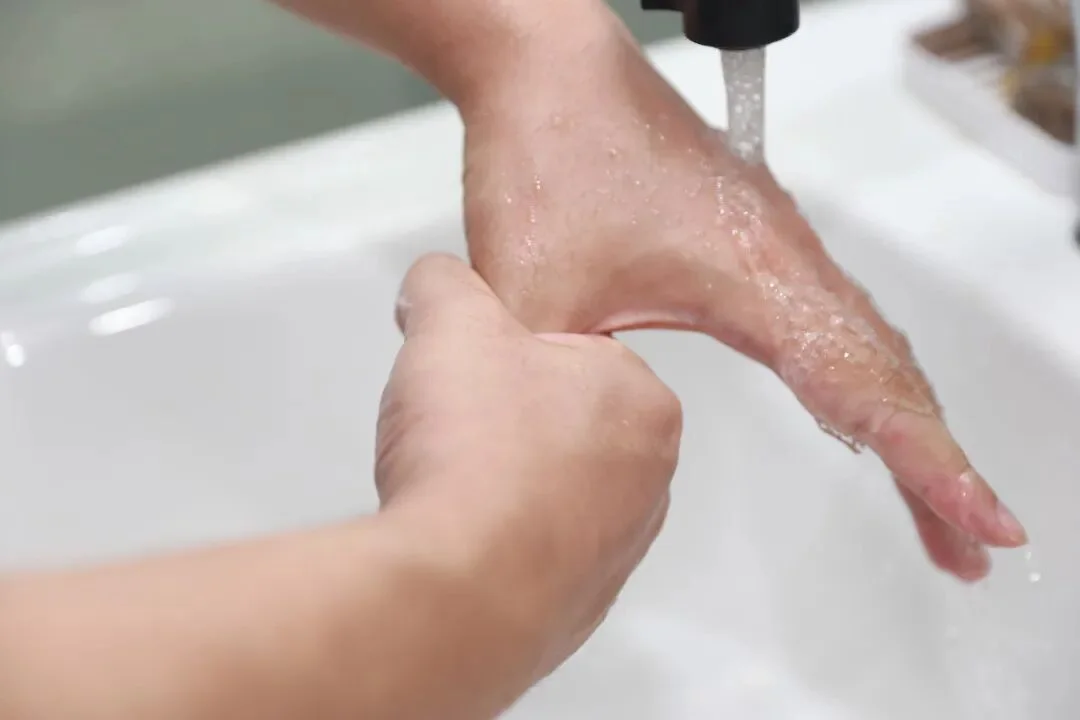
Handwashing - Clean Hands Save Lives, photo by: Ge.Frank
为什么? 肥皂和摩擦有助于去除皮肤上的污垢、油脂和微生物(包括致病细菌),这样就可以用清水冲洗掉手上的污垢、油脂和微生物。把肥皂冲洗掉也能减少对皮肤的刺激。
因为手可能会再次被污染,如果在一盆之前使用过的积水中清洗,干净的自来水应该使用。[1][12]
虽然有些建议包括用纸巾洗手后关掉水龙头,但这种做法会导致更多地使用水和纸巾,而且没有研究表明这样做会改善健康。
用干净的毛巾擦干双手,或用风干机
为什么? 细菌更容易在湿手间转移,因此洗手后应尽量使手保持干燥。[15][19] 然而,干燥手的最佳方法仍不清楚,因为干燥手相关的研究很少,而这些研究的结果又存在矛盾。此外,大多数研究都比较了不同干手方法下手部微生物的总体浓度,而不仅仅是致病细菌的浓度。没有证据表明去除手上的微生物与更好的健康状况有关。尽管如此,研究表明使用干净的毛巾或风干机的方法是目前最好的方法。[18][20][21]
参考文献:
1. Palit A, Batabyal P, Kanungo S, Sur D. In-house contamination of potable water in urban slum of Kolkata, India: a possible transmission route of diarrhea.external icon Water Sci Technol. 2012;66(2):299-303.
2. Luby SP, Agboatwalla M, Feikin DR, Painter J, Billhimer W, Altaf A, Hoekstra RM. Effect of handwashing on child health: a randomised controlled trial.external icon Lancet. 2005;366:225-33.
3. Luby SP, Halder AK, Huda T, Unicomb L, Johnston RB. The effect of handwashing at recommended times with water alone and with soap on child diarrhea in rural Bangladesh: an observational study.external icon PLoS Med. 2011;8(6):e1001052.
4. Carrico AR, Spoden M, Wallston KA, Vandenbergh MP. The environmental cost of misinformation: why the recommendation to use elevated temperatures for handwashing is problematicexternal icon. Int J Consum Stud. 2013;37(4):433-41.
5. Laestadius JG, Dimberg L. Hot water for handwashing–where is the proof?external icon J Occup Environ Med. 2005;47(4):434-5.
6. Michaels B, Gangar V, Schultz A, Arenas M, Curiale M, Ayers T, Paulson D. Water temperature as a factor in handwashing efficacy.external icon Food Service Technology. 2002;2:139-49.
7. Burton M, Cobb E, Donachie P, Judah G, Curtis V, Schmidt WP. The effect of handwashing with water or soap on bacterial contamination of hands.external icon Int J Environ Res Public Health. 2011;8(1):97-104.
8. Todd ECD, Michaels BS, Holah J, Smith D, Grieg JD, Bartleson CA. Outbreaks where food workers have been implicated in the spread of foodborne disease. Part 10. Alcohol-based antiseptics for hand disinfection and a comparison of their effectiveness with soaps.external icon J Food Prot. 2010;73(11):2128-40.
9. Luby SP, Agboatwalla M, Painter J, Altaf A, Billhimer WL, Hoekstra RM. Effect of intensive handwashing promotion on childhood diarrhea in high-risk communities in Pakistan: a randomized controlled trial.external icon JAMA. 2004;291(21):2547-54.
10. Larson EL, Lin SX, Gomez-Pichardo C, Della-Latta P. Effect of antibacterial home cleaning and handwashing products on infectious disease symptoms: a randomized, double-blind trial.external icon Ann Intern Med. 2004;140(5):321-9.
11. Gordin FM, Schultz ME, Huber R, Zubairi S, Stock F, Kariyil J. A cluster of hemodialysis-related bacteremia linked to artificial fingernails.external icon Infect Control Hosp Epidemiol. 2007;28(6):743-4.
12. Hoque BA. Handwashing practices and challenges in Bangladesh.external icon Int J Environ Health Res. 2003;13 Suppl 1:S81-7.
13. Lin CM, Wu FM, Kim HK, Doyle MP, Michael BS, Williams LK. A comparison of hand washing techniques to remove Escherichia coli and caliciviruses under natural or artificial fingernails.external icon J Food Prot. 2003;66(12):2296-301.
14. McGinley KJ, Larson EL, Leyden JJ. Composition and density of microflora in the subungual space of the hand.external icon J Clin Microbiol. 1988;26(5): 950–3.
15. Todd EC, Michaels BS, Smith D, Greig JD, Bartleson CA. Outbreaks where food workers have been implicated in the spread of foodborne disease. Part 9. Washing and drying of hands to reduce microbial contamination.external icon J Food Prot. 2010;73(10):1937-55.
16. Luby SP, Agboatwalla M, Billhimer W, Hoekstra RM. Field trial of a low cost method to evaluate hand cleanliness.external icon Trop Med Int Health. 2007;12(6):765-71.
17. Fuls JL, Rodgers ND, Fischler GE, Howard JM, Patel M, Weidner PL, Duran MH. Alternative hand contamination technique to compare the activities of antimicrobial and nonantimicrobial soaps under different test conditions.external icon Appl Environ Microbiol. 2008;74(12):3739-44.
18. Jensen D, Schaffner D, Danyluk M, Harris L. Efficacy of handwashing duration and drying methods.external icon Int Assn Food Prot. 2012.
19. Patrick DR, Findon G, Miller TE. Residual moisture determines the level of touch-contact-associated bacterial transfer following hand washing.external icon Epidemiol Infect. 1997;119(3):319-25.
20. Gustafson DR, Vetter EA, Larson DR, Ilstrup DM, Maker MD, Thompson RL, Cockerill FR 3rd. Effects of 4 hand-drying methods for removing bacteria from washed hands: a randomized trial.external icon Mayo Clin Proc. 2000;75(7):705-8.
21. Huang C, Ma W, Stack S. The hygienic efficacy of different hand-drying methods: a review of the evidence.external icon Mayo Clin Proc. 2012;87(8):791-8.
原文附图